
Journalist sets a new life on the West Sea
An Giang - After retiring, journalist Le Trac volunteered to take his whole family to Tho Chau, contributing to establishing a new life on the western coastal frontline island.
Editorial note: Leaving the battlefield with wounds on their bodies, journalists - soldiers of the Mekong Delta region have never had the concept of "retirement". In peacetime, they quietly extend the "circle of dedication" in the West Sea: Maintaining sea and island sovereignty, reviving memories of comrades and reaching out to master the media space of sea and island, border areas.
From "dead land" to new life
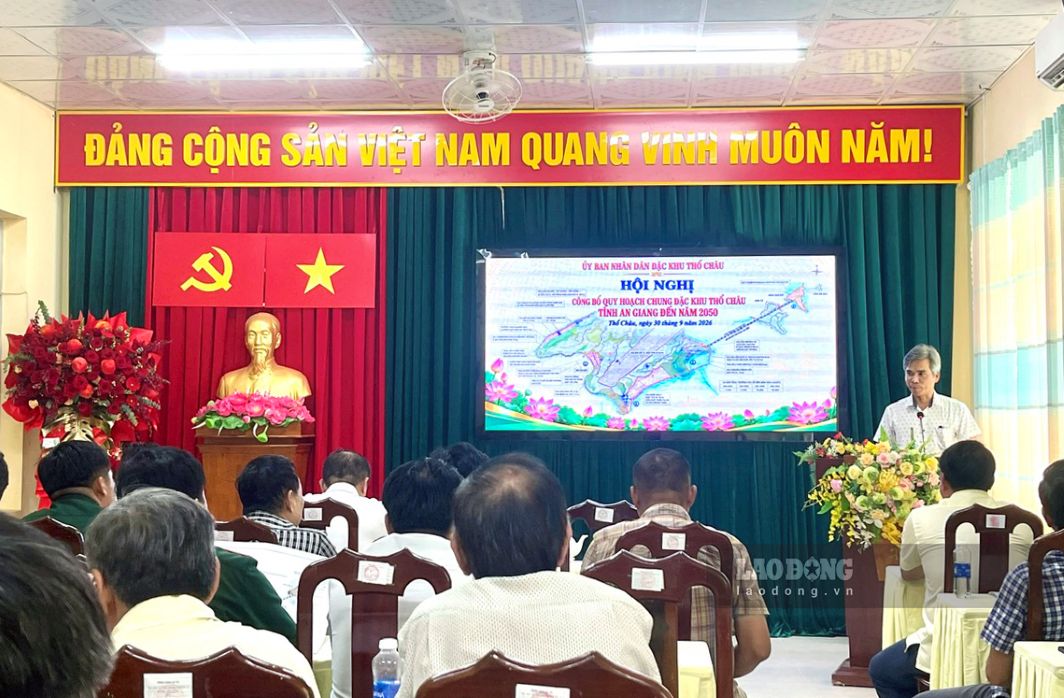
On September 30, the Tho Chau special zone (An Giang province) announced the General Plan to 2050, opening up a new vision for the Southwest frontline archipelago of the Fatherland. According to the plan, Tho Chau is oriented to develop into a high-quality marine and island eco-tourism center, associated with marine economy and ensuring national defense - security. This place will form a level 4C airport, a dual-use fishing port, a sea-crossing cable car route and a marine protected area of about 20,000ha. Few people imagine that the island region facing this development opportunity once had a long period of almost no residents.
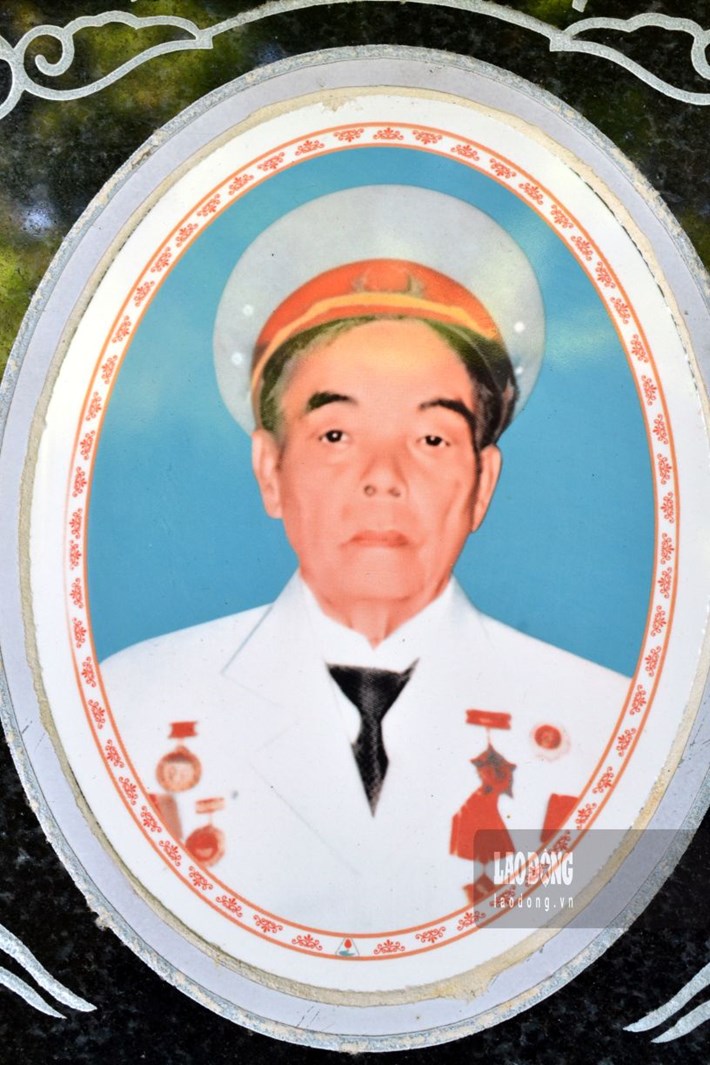
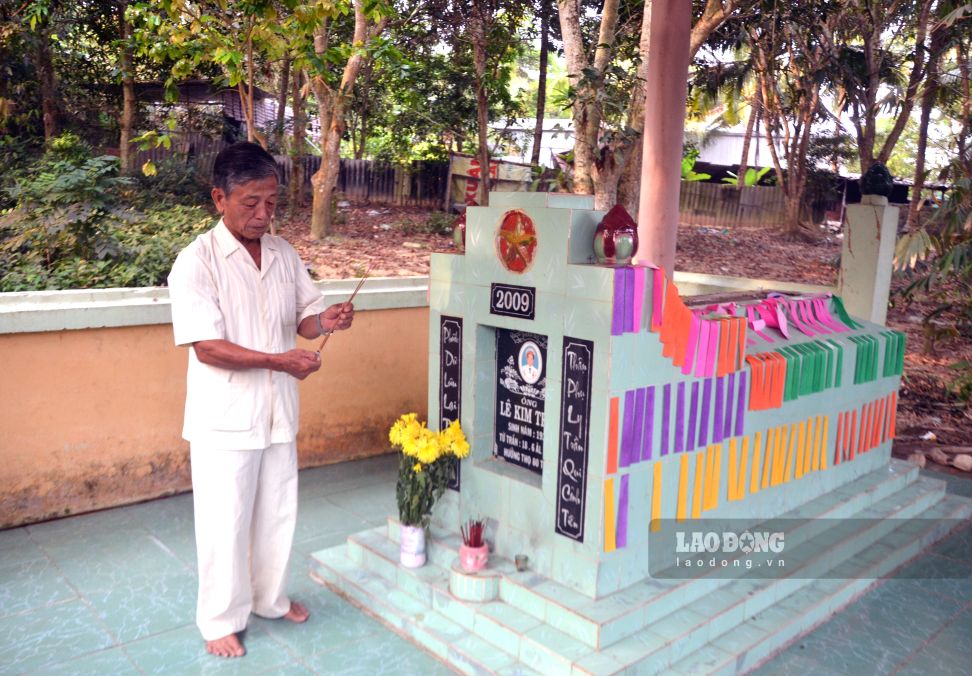
After the May 1975 massacre, Tho Chau sank into loss, becoming a deserted island area. To prepare for the reconstruction process, in 1992, Kien Giang province advocated mobilizing people to settle on the island, before re-establishing the commune government apparatus. At this time, although he had retired for nearly 3 years, suffered 42% injury and had been imprisoned for 7 years in Phu Loi, Con Dao, journalist Le Kim Trac, commonly known as Le Trac (1929-2009), former Secretary of the Editorial Board of Chien Thang Newspaper, the predecessor of Kien Giang Newspaper, enthusiastically responded. He directly met with provincial leaders to express his wish to bring his whole family to Tho Chau. On April 24, 1993, the Government officially decided to establish Tho Chau island commune. At that time, the whole commune had only 94 residents living, including Mr. Trac's family.
Old journalist volunteers to go to the island
Mr. Tran Lam - former Vice Chairman of Kien Giang Provincial People's Committee - who directly monitored and directed the Tho Chau reconstruction work at that time, emotionally recalled the voluntary spirit of journalist Le Trac. "The day Mr. Trac came to volunteer to go to the island, listening to him plan, I had the belief that he would not only stick to it but also spread it to many people to stick to it for a long time" - Mr. Lam recalled.
Because for the old journalist, keeping the island is not just building works or consolidating the government. To keep people, first of all, it is necessary to create life and livelihoods. Therefore, on trips across waves to Tho Chau, he asked to bring a small boat full of very ordinary things: eels, frogs, coconut seedlings, banana bushes, water hyacinths and even ant nests. Golden ants are used to kill natural pests and diseases; eels and frogs are bred; green trees are multiplied. Water hyacinths from the mainland are released into freshwater holes, both contributing to water filtration, and creating biological substrates for aquaculture and creating a source of green vegetables.
Trees gradually covered the vacant land green, the first breeds multiplied... all as if indicating: Journalist Le Trac has "planted a life marker", creating an environment for people to stay with the frontline island.
People's wishes come true
Mr. Trac's journey to Tho Chau is the realization of the oath that he and his wife sent through the names of their children: Giang - Son - Thanh - Binh - Dan - Y - Nguyen - Thanh - Cong. "Dân ý nguyện thành" is also the way he turns faith into action after the country is unified.
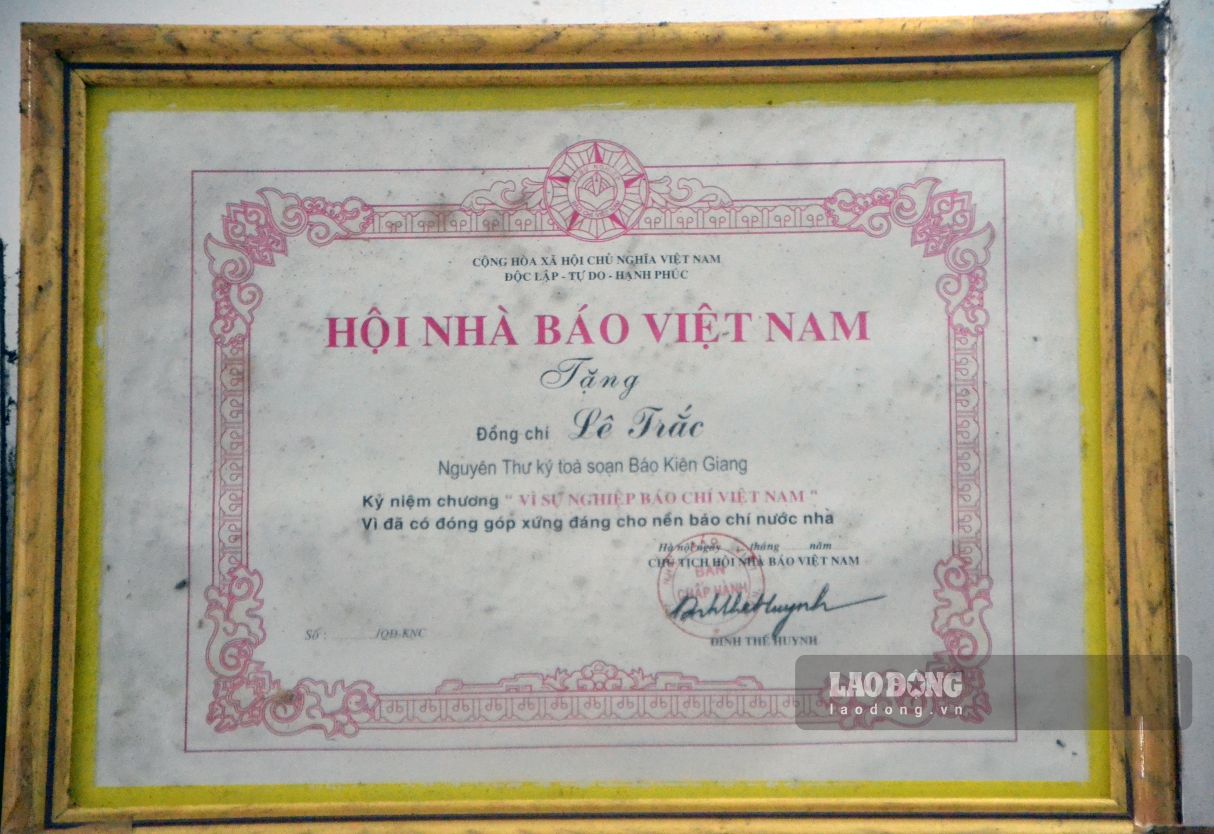
In Tho Chau, he became the first Secretary of the Party Cell cum Chairman of the Fatherland Front Committee of the commune. Besides building grassroots government, he and the people cleared and opened roads, dug freshwater wells. During the day, he took care of common work, at night under the dim oil lamp, he wrote articles to send to newspapers inside and outside the province, reflecting the life of soldiers and people on the islands. The journalist of that year continued his mission in the open sea.
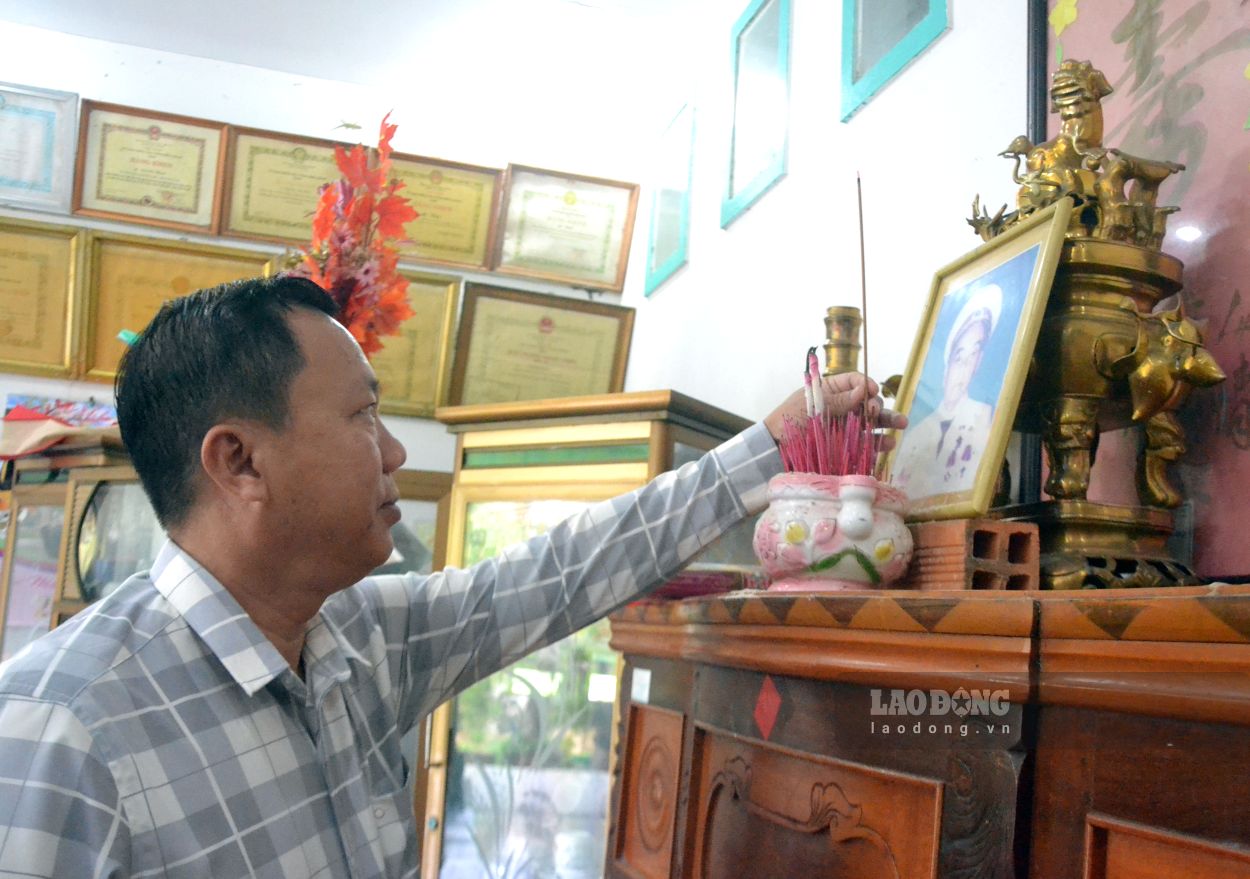
When the island commune government became disciplined and young officials grew up, he proactively resigned from his position. Many leaders of the Kien Giang Provincial Journalists Association often recalled Mr. Trac's confidences: "In the early difficult period, we became a support for the young generation; when the children became proficient in the job, we withdrew". And he once said a sentence that generations of officials in Tho Chau passed down as a lesson: "As a Party member, in any position you must serve the people. When it is necessary, know how to give way to the dynamic and creative young generation, so that they can follow in their footsteps and contribute better.
In 2009, journalist Le Trac passed away at the age of 80, full of 50 years of Party membership. According to his will, he rests in Tho Chau - where he and his family once contributed to sowing seeds of a new life.
More than 30 years after the first households returned, Tho Chau is facing a new turning point. In the middle of the ocean, that revival has the mark of Party journalists who chose to stay when this place was still a "dead land".
See the original here